NAGRC&DB Hits 200 Technician Milestone to Transform Uganda’s Livestock Sector
The National Animal Genetic Resources Centre and Data Bank (NAGRC&DB) has officially trained 200 Artificial Insemination (AI) technicians, marking a massive milestone for Uganda’s livestock industry. This milestone was achieved following the graduation of the third cohort of 80 specialists on 10 July 2026 at the Ruhengyere Ranch in Kiruhura District. Supported under the Uganda Climate Smart Agriculture Transformation Project (UCSATP), this initiative is rapidly closing in on its ultimate target of equipping 288 experts to revolutionize national animal breeding.
The Journey to 200: A Comprehensive Breakdown
The project has scaled up service delivery through three successive training phases:
- First Cohort: Initiated the pipeline by graduating the foundational 40 technicians.
- Second Cohort: Expanded momentum on 19 June 2026 by graduating 80 specialists.
- Third Cohort: Cemented the milestone on 10 July 2026 with another 80 graduates.
- Geographic Reach: Sourced participants from 20 beneficiary districts across Uganda.
Rigorous, Field-Ready Curriculum
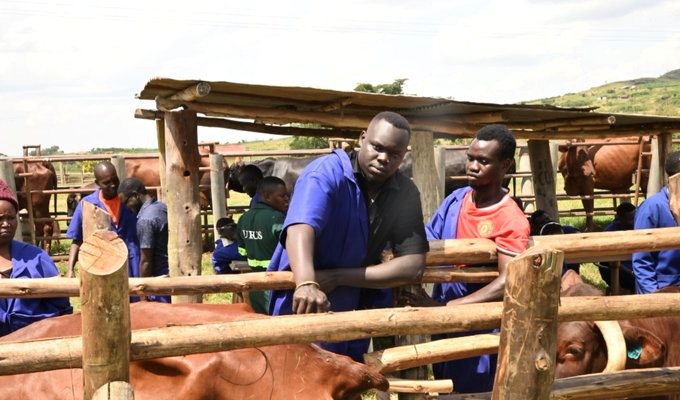
Every technician completed a rigorous, three-week intensive training program at the National Artificial Insemination Training Centre. The practical coursework equipped them with essential field skills:
- Reproductive physiology: Understanding animal systems to optimize breeding timelines.
- Heat detection: Mastering fertility cycle tracking for higher conception rates.
- Semen handling: Safely storing and preserving high-quality genetic materials.
- AI procedures: Precision hands-on skills for performing artificial insemination.
- Records management: Tracking data to monitor long-term herd progress.
- Animal welfare: Adhering to safe, humane livestock handling standards.
Strengthening Last-Mile Delivery
By deploying these 200 specialized professionals, the program directly solves a critical service gap in rural farming communities. These graduates form a robust, nationwide network of skilled service providers. They bring high-quality breeding services directly to the farm gate, ensuring smallholder farmers gain access to superior livestock genetics while minimizing reproductive waste.
Driving Climate Resilience and Commercialization
Ultimately, this comprehensive training strategy supports Uganda’s transition toward climate-smart agriculture. Equipping local farmers with resilient animal genetics helps herds withstand changing climate conditions and disease pressures. Over time, these modernized breeding practices will boost overall milk and meat productivity, driving rural commercialization and securing sustainable livelihoods across Uganda’s major livestock production systems.